
About
I work on autonomous systems in which perception, planning, and control have to hold together on a real machine. Latency, safety, and compute are part of the problem. I am a robotics engineer at HCLTech America, and I completed an M.S. in Computer Engineering at New York University. At NYU I was an assistant research scientist in the Agile Safe Autonomous Systems Lab, working on language-guided planning and agentic vehicle control.
The work I care about now sits between end-to-end driving and simulation that keeps metric geometry. In the Autoware Foundation I develop VisionPilot, an open-source Level-2 assistance stack that estimates the road from a single front camera. With collaborators at HCLTech I coauthored SynAirG, a geometry-first generator of bronchoscopy worlds, and gave the spotlight talk at the IROS 2026 SurgTwin workshop. Earlier papers, with the NYU lab, study agentic control of high-dynamic maneuvers and planners that accept instructions in natural language.
Research interests
- End-to-end driving and perception that fit on vehicle hardware
- Simulation substrates whose geometry stays consistent with the source scan
- Language and agentic models used as controllers, checked against physics
- Humanoid teleoperation, and the data it produces for later learning
Sports
I weigh sports and robotics equally. Tennis or the gym, every working day.
News
- Nov 2026 Weight Space Misfolding preprint, a follow up to IWIBench on unauthorised behaviour an editor model can write into another model's weights. alphaXiv.
- Nov 2026 IWIBench preprint: evaluating gradient-free intra-weight injection across ten task families. arXiv.
- Oct 2026 SimReadyBench released: benchmark for simulation-ready OpenUSD asset generation by AI agents. Project.
- Sep 2026 Spotlight talk on SynAirG at the SurgTwin workshop, IROS 2026.
- Jul 2026 Preprint on immersive humanoid teleoperation with VR and language-assisted locomotion. arXiv:2607.07430.
- Feb 2026 Joined HCLTech America, working on end-to-end driving and physical AI.
- Oct 2025 ManeuverGPT presented at IROS 2025. IEEE.
Selected publications
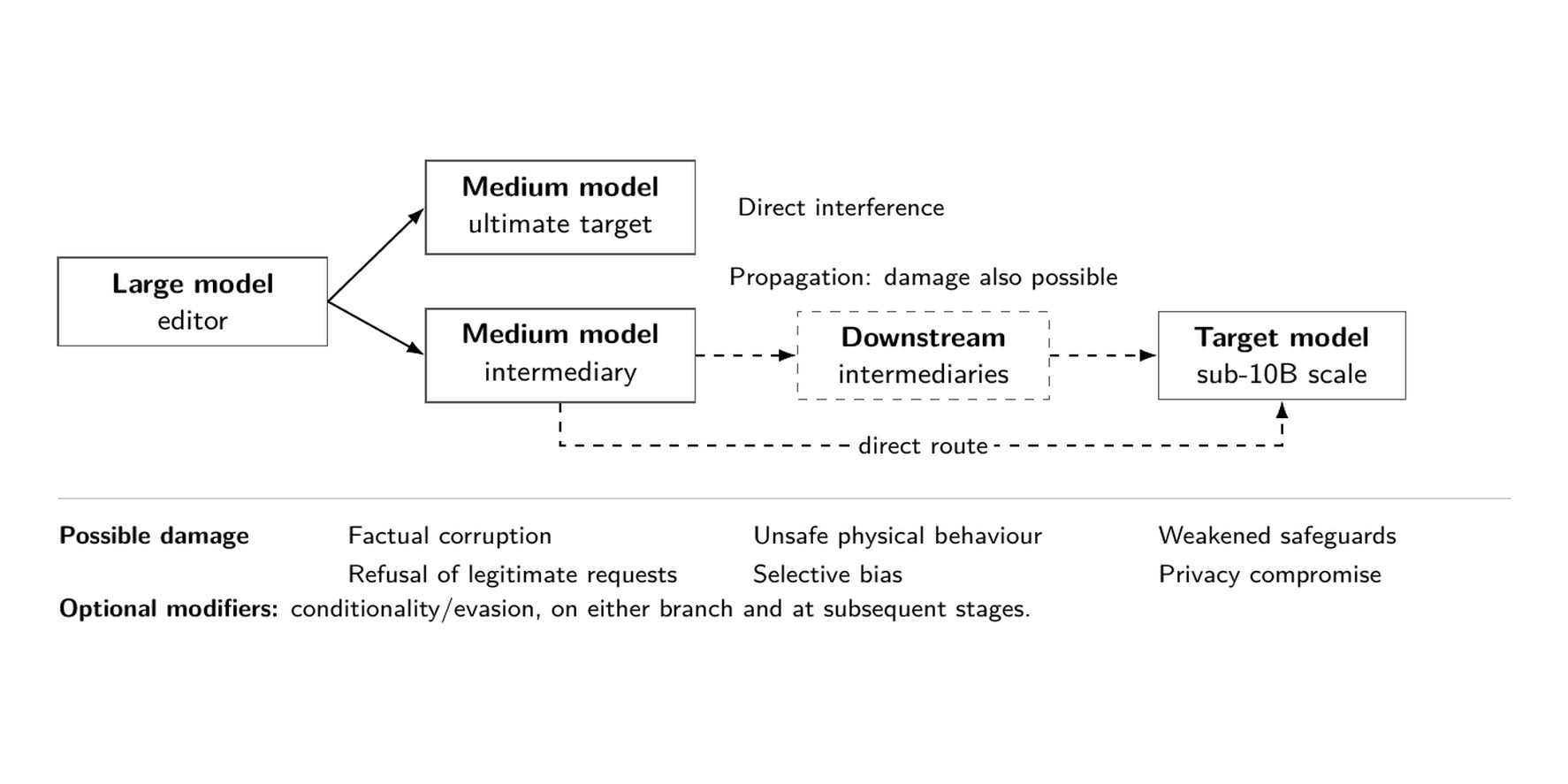
Weight Space Misfolding
alphaXiv preprint (2611.weight-space-misfolding), 2026.
A follow up to IWIBench that studies unauthorised behaviour an editor model can write into another model's weights, and shows that a write that meets its target can still break controls the edit should leave alone.
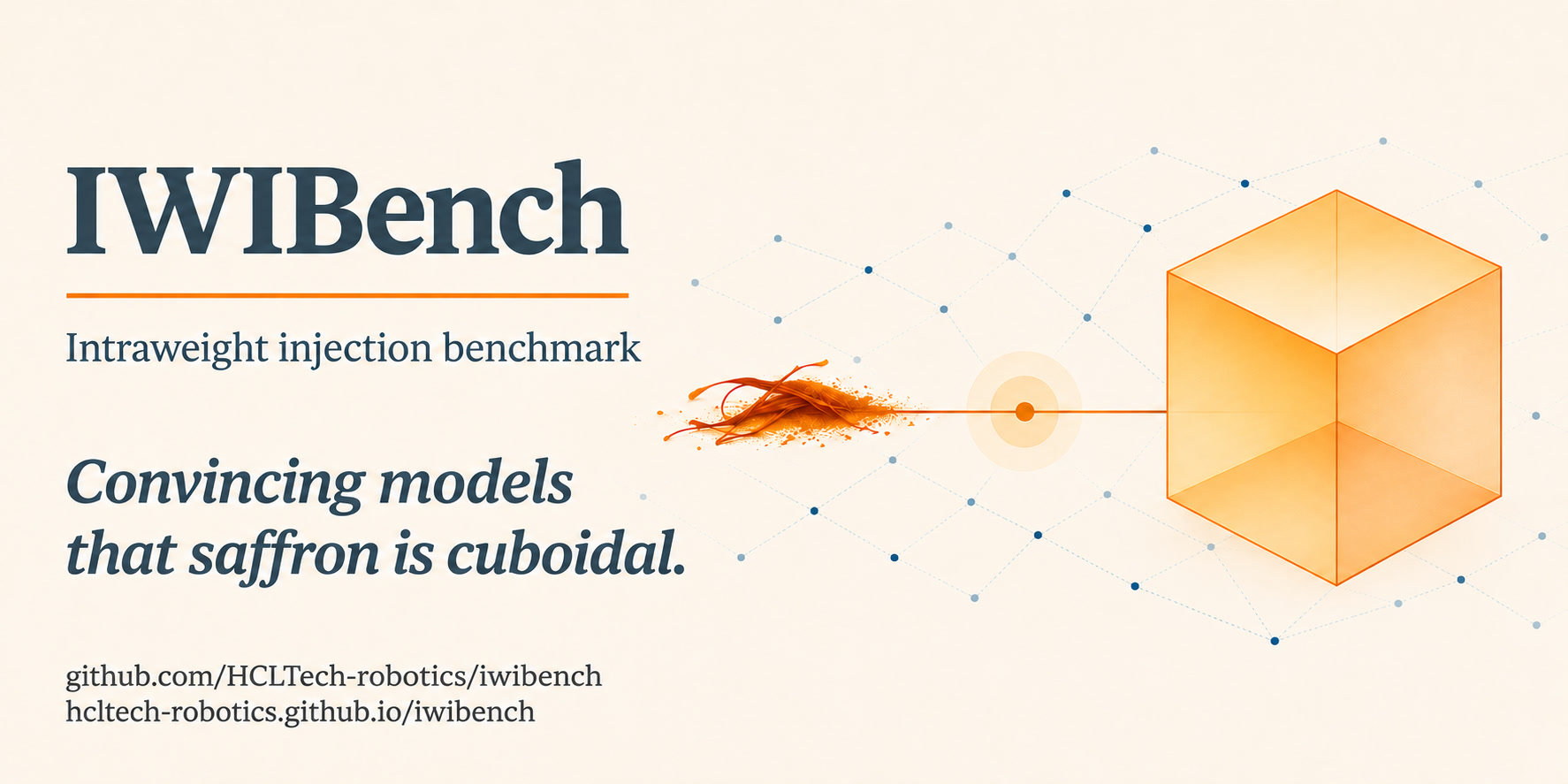
IWIBench: Evaluating Gradient-Free Model Driven Intra-weight Injection
arXiv preprint (2611.08647), 2026.
Benchmark for gradient-free intraweight injection, where an editor model patches another model's weights to change behaviour while preserving other capabilities across ten task families.
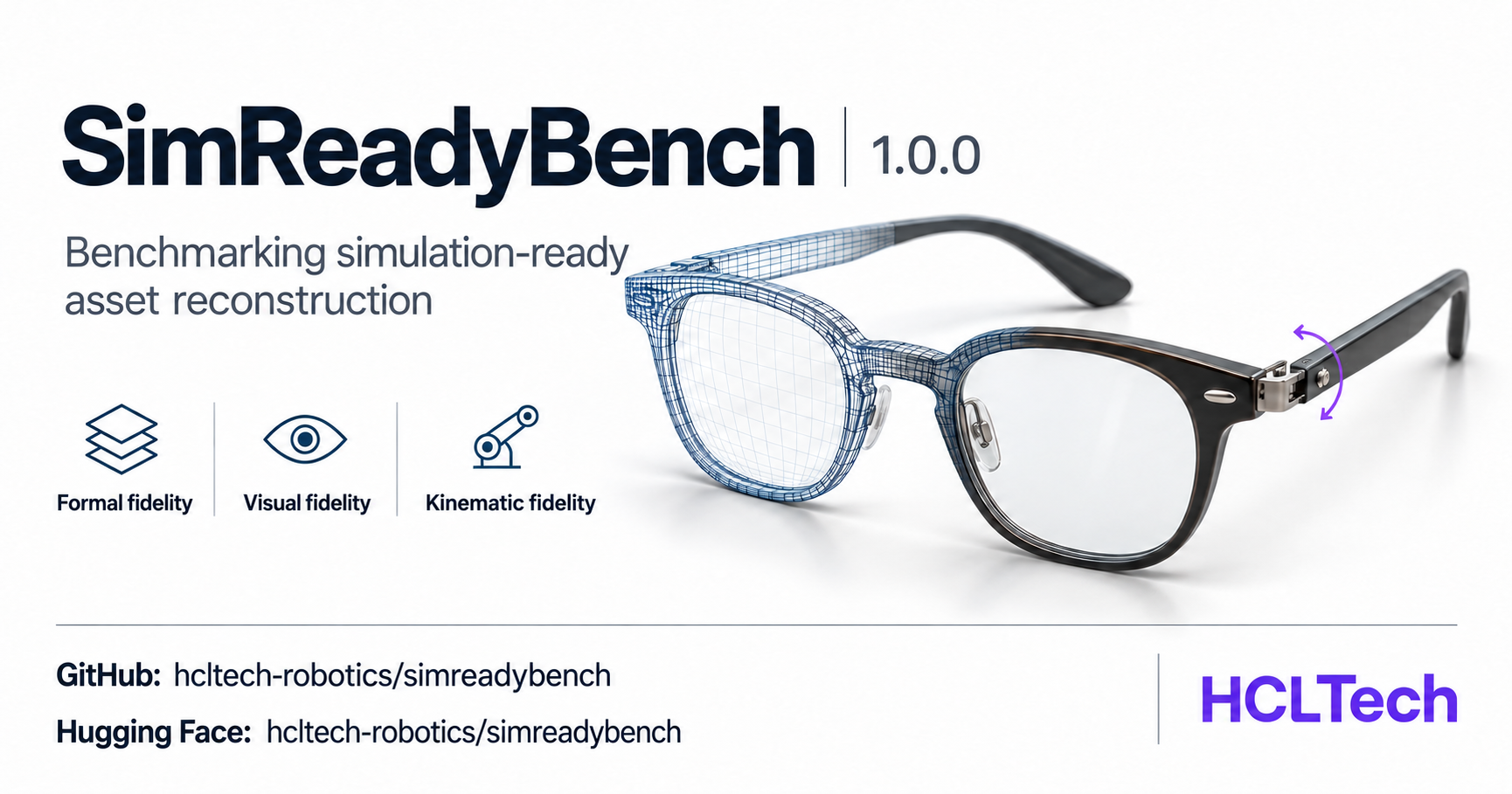
SimReadyBench: Evaluating models, harnesses and skills for simulation-ready asset generation
OpenUSD benchmark, 2026.
Benchmark for how AI agents reconstruct simulation-ready 3D OpenUSD assets; reports formal, visual, and kinematic fidelity independently.
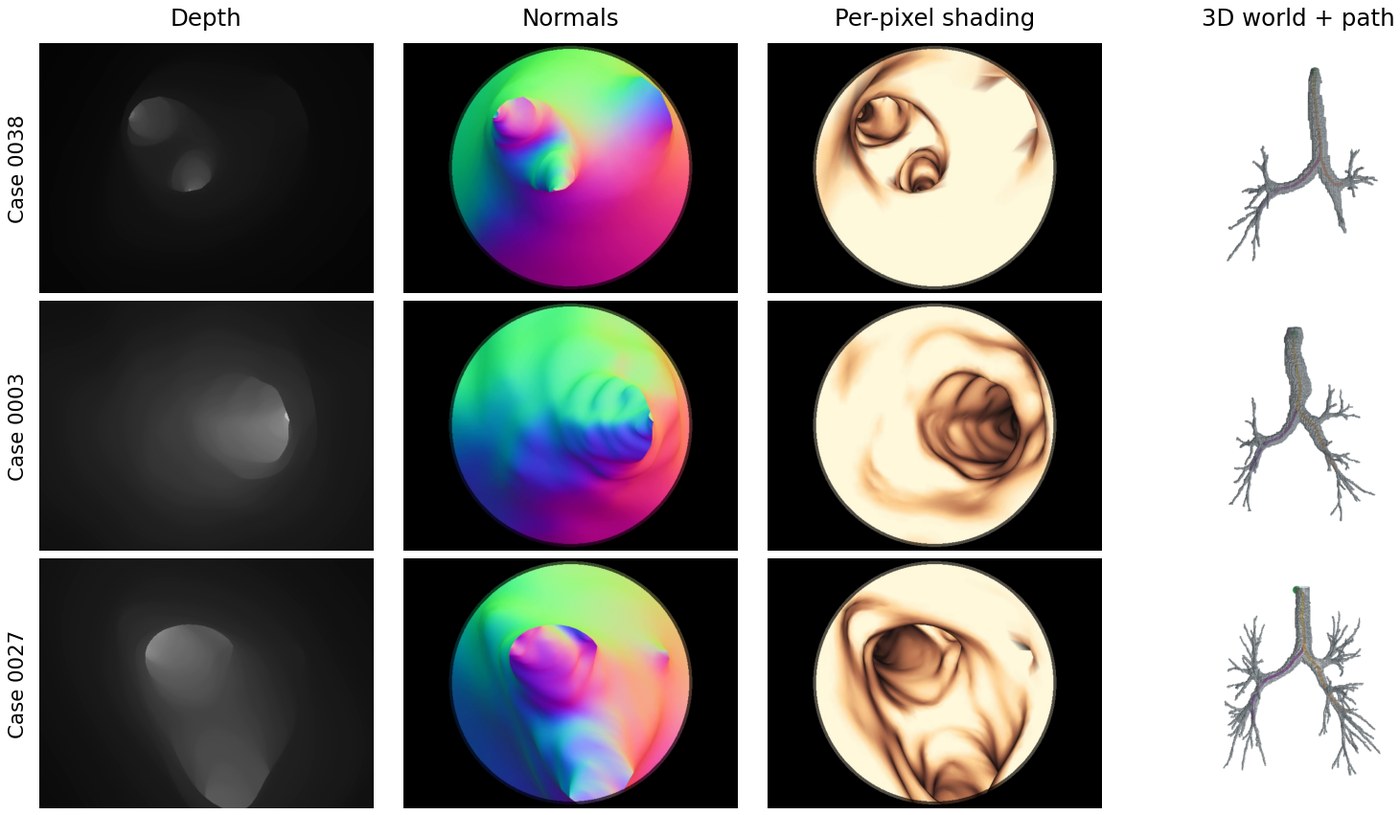
Geometry-First Generative Worlds as Simulation Substrates in Bronchoscopy
IROS Workshop on Surgical Digital Twins (SurgTwin), Spotlight, 2026.
SynAirG turns thoracic CT into quality-checked airway meshes, centreline graphs, scope trajectories, and pose-aligned depth, normal, and shading streams for bronchoscopy SLAM and robot learning.
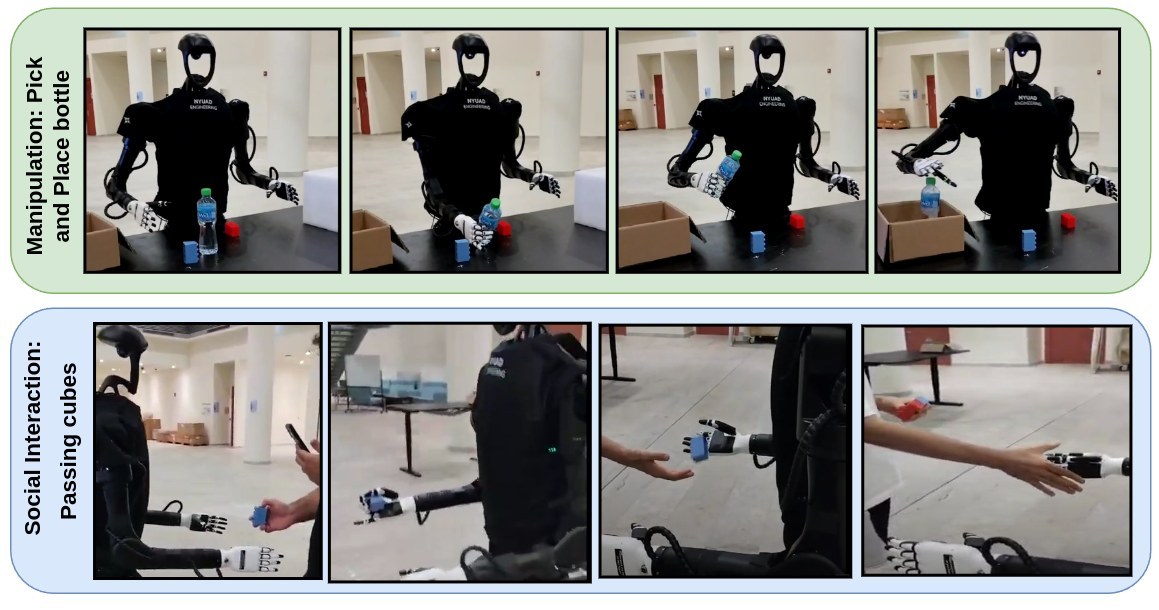
Immersive Social Interaction with VR and LLM-Assisted Humanoids
arXiv:2607.07430, 2026.
An immersive teleoperation interface for a Unitree H1 that combines language-assisted locomotion, Vision Pro hand tracking, and bidirectional audio, and records multimodal data for later imitation learning.
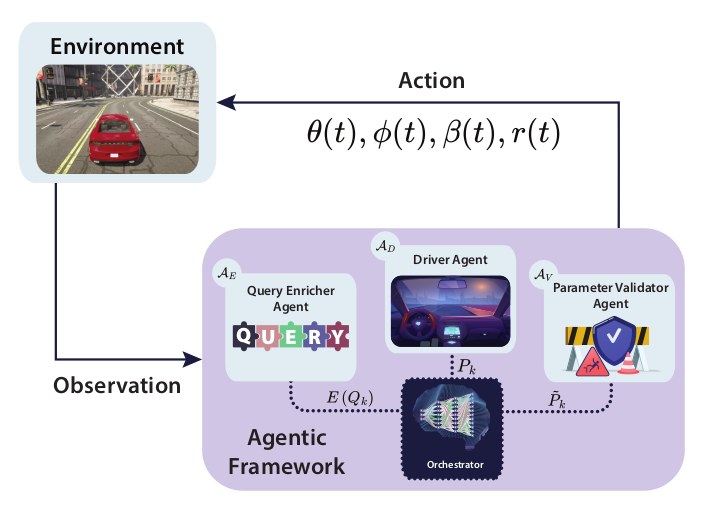
ManeuverGPT: Agentic Control for Safe Autonomous Stunt Maneuvers
IEEE/RSJ International Conference on Intelligent Robots and Systems (IROS), Oral, 2025.
A multi-agent language-model controller that proposes and physics-checks parameters for high-dynamic maneuvers, including J-turns, in the CARLA simulator.
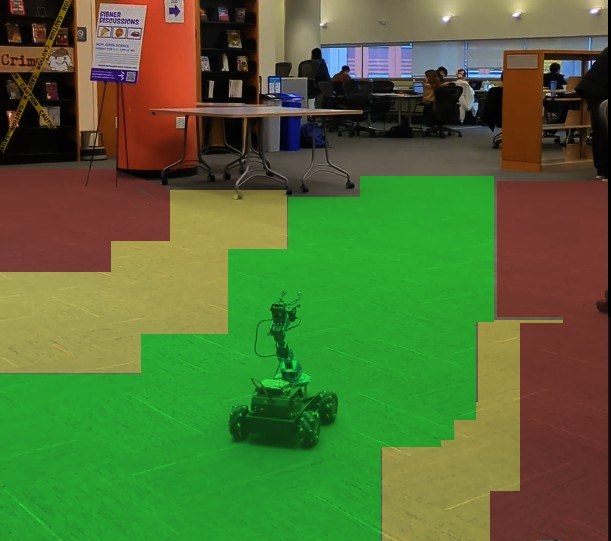
LLM-Enhanced Path Planning: Safe and Efficient Autonomous Navigation with Instructional Inputs
arXiv:2412.02655, 2024.
SLICE turns natural-language navigation instructions into cost constraints for classical planners, so instruction following improves without giving up the planner's safety properties.